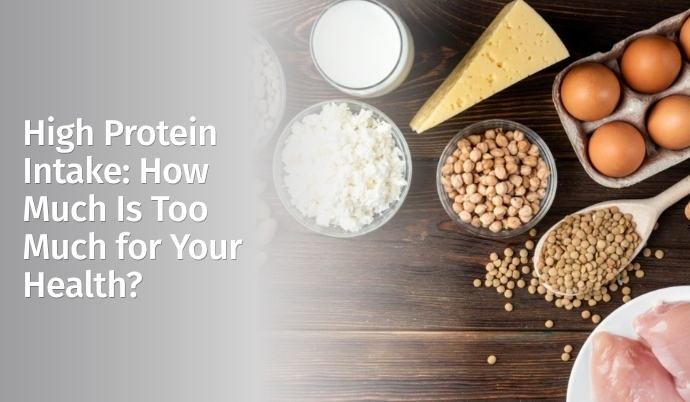
From street-side gym-bros chugging massive whey shakes to urban fitness enthusiasts swapping traditional ghar ka khana for high-protein bars, protein has become India's newest dietary obsession. In a country historically known for carbohydrate-heavy thalis, the pendulum has swung to the opposite extreme with modern health trends encouraging you to consume as much of this macronutrient as humanly possible.
However, like any essential element of nutrition, balance is critical.
While meeting your daily protein targets supports muscle repair, weight management, and metabolic health, an unchecked high protein intake can place unnecessary strain on your organs. Understanding optimal intake levels, identifying the early signs of excess protein, and knowing where the line rests between healthy nutrition and potential protein overdose is essential for protecting your long-term wellness.
Key Takeaways: Quick Summary
What Happens During Protein Digestion and Absorption?
To evaluate how much is too much, it helps to understand how your gastrointestinal tract and metabolic organs process dietary amino acids.
1. Mouth: Chewing the food is the first step in digesting protein. It begins mechanical breakdown. Salivary glands provide saliva to aid in swallowing and the passage of mashed protein through the esophagus.
2. Stomach: Releases gastric juices containing hydrochloric acid and pepsinogen which activates and turns into pepsin that digests proteins in the stomach. This denatures the proteins.
3. Small Intestine: Chyme containing digested protein is emptied into small intestine. The pancreas secretes digestive juices to further break proteins down. Muscle contractions of the SI mix and move digested proteins to absorption sites.
4. Liver: After being absorbed into the blood, the broken down proteins (or amino acids) are transported to the liver. Further amino acid breakdown, releases nitrogen-containing ammonia. The liver transforms this to urea, which is then brought to the kidney and excreted.
When you consume protein, gastric enzymes break down the long peptide chains into individual amino acids. These amino acids travel to the liver, which utilizes them for tissue repair, enzyme synthesis, and muscle growth.
However, your body cannot store excess amino acids for later use like it does with carbohydrates (stored as glycogen) or fats (stored as adipose tissue). The liver deaminates excess amino acids, removing their nitrogen groups and converting them into urea. The kidneys then filter this urea out of the bloodstream for excretion in urine.
When you maintain an extremely high protein intake, your liver and kidneys must work continuously at an elevated rate to clear nitrogenous waste.
How Much Protein Do You Actually Need?
These 3 demographic bullet points:
Signs You Are Consuming Excess Protein
Consuming more protein than your body can use for muscle protein synthesis (MPS) often produces distinct physical signals. Paying attention to these early indicators allows you to adjust your macronutrient distribution before complications develop:
What happens when you take too much protein?
While a temporary surge in protein consumption rarely causes harm in healthy individuals, chronic, extreme overconsumption carries potential health risks.
1. Kidney Strain and Renal Stress
In individuals with pre-existing kidney disease or reduced renal function, excess protein accelerates tissue damage. The hyperfiltration required to process nitrogenous waste increases intraglomerular pressure. While healthy kidneys generally adapt to higher workloads, individuals with undetected renal compromise should avoid unmonitored high-protein regimens.
2. Elevated Risk of Kidney Stones
Diets heavy in animal proteins increase uric acid production and reduce urinary citrate levels (which naturally protect against stone formation). This combination significantly raises the risk of developing painful calcium oxalate and uric acid kidney stones.
3. Gut Microbiome Imbalance
When large quantities of unabsorbed protein reach the colon, resident bacteria ferment these amino acids (a process called protein putrefaction). This process generates metabolic byproducts like ammonia and hydrogen sulfide, which can negatively alter the gut lining and disrupt microflora balance.
4. Bone Mineral Density Concerns
Processing high amounts of sulfur-containing amino acids (commonly found in meat and dairy) creates an acidic load in the bloodstream. While the body manages this effectively when calcium intake is adequate, chronic acid loads coupled with poor micronutrient intake can lead to calcium leaching from bones.
Optimizing Your High Protein Diet Safely
Maximizing the muscle-building and metabolic benefits of your diet while minimizing health risks requires a strategic approach to source quality and timing.
Best Practices for Healthy Protein Consumption:
1. Prioritize Whole Food Diversity: Balance animal sources (chicken, fish, eggs) with plant-based options like lentils, chickpeas, tofu, and quinoa to gain essential fiber and protective antioxidants.
2. Distribute Intake Evenly: Muscle protein synthesis caps at roughly 25 to 40 grams per meal. Distributing your intake across 3 to 4 meals throughout the day yields better muscle recovery than consuming a massive single meal.
3. Maintain Fiber Balance: Pair protein sources with leafy greens, whole grains, and vegetables to support digestion and maintain healthy cholesterol levels.
Conclusion
Protein remains a foundational macronutrient essential for strength, metabolic stability, and tissue repair. However, more is not inherently better. While a high protein intake supports athletic recovery and satiety, chronic protein overdose offers no extra performance benefits and can place unnecessary demands on your digestive and renal systems.
By calculating your specific protein requirements, spreading consumption evenly, and maintaining whole-food balance, you can enjoy all the protein benefits safely.
Book an appointment with SGRH today.
Frequently Asked Questions (FAQs)
Q1: Can high protein intake damage healthy kidneys?
A: No evidence suggests that a high protein intake damages healthy, fully functioning kidneys. However, if you have pre-existing kidney conditions, reduced renal function, or a family history of kidney disease, consuming excess protein can accelerate tissue damage and should be managed under medical supervision.
Q2: How much protein can the body absorb in one meal?
A: While the gut can digest and absorb large quantities of amino acids over several hours, the threshold for stimulating muscle building caps at around 25 to 40 grams per meal. Any additional protein consumed past this point is oxidized for energy or converted to glucose and fat storage.
Q3: What are the symptoms of a protein overdose?
A: Early signs of excess protein intake include persistent thirst, dry mouth, constipation, bloating, bad breath, and dark urine. Long-term excessive consumption without adequate fluid intake can contribute to kidney stone formation and digestive distress.
Q4: Is protein powder worse for your kidneys than whole food protein?
A: Protein powders (like whey, casein, or pea protein) are concentrated sources of amino acids that digest rapidly, causing a faster spike in blood amino acid levels. While not inherently harmful to healthy organs, relying heavily on powders makes it much easier to unintentionally consume excess protein without getting the dietary fiber found in whole foods.