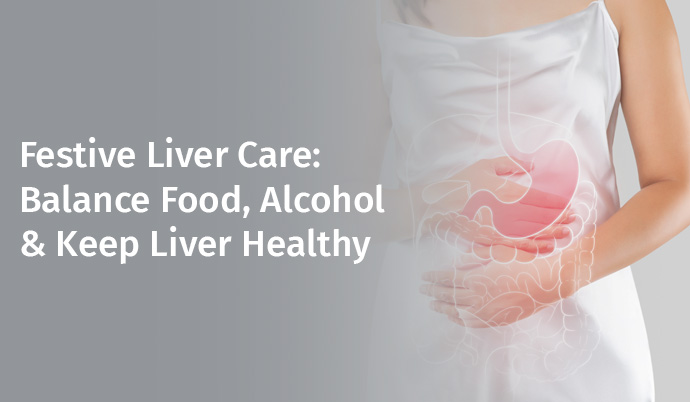
It is a terrifying medical reality that liver disease often has zero symptoms until nearly 75% of the organ is destroyed. According to the World Health Organization (WHO), India records approximately 268,580 liver disease deaths each year, accounting for 3.17% of all deaths in the country. More strikingly, this represents 18.3% of global liver-related deaths, making India the highest contributor to liver disease fatalities worldwide.
Acute-on-Chronic Liver Failure is a serious concern during the holidays due to the heavy consumption of alcohol and food. What happens? Someone with an undiagnosed fatty liver (1 in 3 adults) has a liver that is already in trouble and receives a sudden influx of toxins. As a result, the liver has just experienced a rapid metabolic shutdown. Although today you may feel fine raising a glass, you are likely causing an inflammatory response in your liver that could cause long-term irreversible damage (cirrhosis) before you experience any pain symptoms. Use this manual as a defense against the damaging effects of the holidays on your liver.
Quick Summary
- The Seasonal Spike: Liver specialists often see a rise in enzyme abnormalities and acute liver stress during the winter festive season due to the "double hit" of alcohol and rich foods.
- The Silent Epidemic: Metabolic Dysfunction-Associated Steatotic Liver Disease (MASLD) affects nearly 1 in 3 adults in India, often without early symptoms.
- Winter Risks: Liver care in winter is unique because cold weather suppresses thirst, leading to dehydration which hampers the liver's natural filtration process.
- Dietary Vigilance: It is crucial to identify fatty liver foods like fructose-heavy sweets and trans-fat-laden appetizers that trigger immediate fat storage.
- Protection is Possible: Simple liver health tips like "hydration pacing" and coffee consumption can significantly reduce the risk of permanent damage.
The "Why": How the Festive Season Triggers Liver Disease
To fully understand how the liver becomes overburdened during times of celebration and holiday activities, we first need to look at the metabolic stress test our bodies deal with during that same time period. Being exposed to very cold temperatures, consuming liquor, and eating high-fat foods all at once creates the perfect storm of stress placed on our organs.
This is how this physiological process works:
- The Liver Treats Alcohol as a Priority Toxin: Functionally, alcohol is treated by the liver as a toxin that comes before anything else. When alcohol enters the bloodstream, metabolic processes happening within the liver stop and alcohol dehydrogenase is produced. Basically, the liver is now focused on metabolizing and eliminating alcohol to avoid further poisoning of the body from alcohol.
- During Metabolism of Alcohol, All Other Fuels Become 'Stored': While the liver is busy dealing with alcohol, all those yummy butter chicken, fried snacks, desserts, and even sugar beverages you've been consuming will be turned into fat instead of being burned for energy. When alcohol is being metabolized, all these foods are stored as 'visceral fat' directly inside the liver cells.
- This Process Triggers Inflammation: Due to the potential of rapid fat accumulation due to the consumption of heavy foods and alcohol over a short period of time, the result is the creation of what many refer to as "holiday heart" or acute fatty liver.
How Does Winter Weather Specifically Affect Liver Function?
We tend to think primarily that poor eating and drinking leads to damage to our liver, although an environment has a surprising impact on liver health. Caring for the liver in Winter will differ from summer, as Winter cold temperatures change our body's baseline physiologically.
- The main cause of damage to the liver in Winter is dehydration. In Summer, the heat of the day will produce natural thirst in the body, whereas in Winter, decreased temperatures suppress this natural thirst response. A liver has hydrolysis as the basic reaction of its biochemistry, therefore, being mildly dehydrated increases the thickness of the blood, causing the liver to require significantly increased effort to cleanse toxins from the blood.
- Less Oxidation of Lipids: A sedentary lifestyle is more common in the Winter months, due to a lack of outdoor physical activity as a result of colder weather. As activity levels go down, the amount of oxidised lipids (burning fat) are reduced, as well. Therefore, when physical activity is reduced, glycogen storage within the liver continues to remain in the full state. After the body runs out of storage, it simply converts any excess carbohydrates into triglycerides (a fat)..
Which Foods Are the Real Culprits Behind Fatty Liver?
A festive buffet can be tricky to pick through, but before you do that, the first step to preventing damage is to know which foods could damage your fatty liver. Be on the lookout for three types of food:
- The Fructose Factor: The biggest concern is with fructose (particularly from high fructose corn syrup or sweets), as opposed to glucose; your body cannot use fructose without first converting it into glucose. If you eat a lot of sweet foods (containing a lot of fructose) all at once, your liver will become overloaded and turn some of the extra fructose into fat through a process called de novo lipogenesis.
- The Trans-Fats & Reheated Oil: Some fried foods, such as fried samosas, are cooked in vegetable oils that are reused many times before being used again for frying. This cooking method creates free radicals and, when ingested, will create inflammation and apoptosis (programmed cell death) in your liver's cells.
- The Sodium-Nitrate Combo: Processed meats on a party platter are loaded with sodium and nitrates. High sodium intake can cause your body to retain fluid, which adds additional pressure to your liver's vascular system. Nitrates, on the other hand, are known to break down into cancer-causing compounds when they enter your body.
What Are the Best Liver Health Tips to Survive the Party Season?
To maintain a healthy liver, it is unnecessary to live like a monk. By utilizing particular clinical strategies when attending social events, one can enjoy them while also limiting the "toxic load" on the liver.
- The "Hydration Protocol" involves drinking one full glass of water with each alcoholic beverage consumed. As alcohol is a diuretic (meaning that it causes the body to lose water), drinking water will help keep the liver hydrated, enabling it to effectively process the alcohol and mitigate the severity of hangovers.
- The "Fiber Buffer" approach dictates that one should never drink on an empty stomach. Consuming a high-fiber, high-protein food (e.g., lentils or chicken) before drinking will also keep the pyloric valve in the stomach closed longer, allowing for the gradual absorption of alcohol into the body through the liver, as opposed to flooding it with a large amount of alcohol at once.
- Another way to protect the liver is through coffee. Research shows that compounds such as paraxanthine in coffee can reduce liver inflammation. Drinking a cup of black coffee the morning after a party can stimulate liver pathways and promote recovery.
When Should You See a Doctor?
Disabling liver disease is often referred to as a "silent killer," but the body does show systemic symptoms when the liver cannot handle the increased burden that comes with celebrating.
Some of the systemic signs to look for in your body include:
- Unexplained fatigue (or brain fog) that doesn't seem to go away even after sleeping (or sleeping long enough). You may experience chronic fatigue, the liver serves as the body’s battery; when the liver begins to slow down, the body experiences a decrease in energy levels (the liver also produces glucose, by converting fat into glucose).
- You may feel discomfort in your upper right abdomen. This can feel like a dull ache or fullness, especially after eating or drinking a large meal. When the liver can't handle all of the excess fat, it will continue to swell until it is so swollen, it is actually stretching the sensitive membrane that surrounds the liver.
- Yellowing of the skin (jaundice), dark amber urine, or swelling in the ankles (edema). These symptoms are indicative of severe liver distress, which requires immediate medical intervention.
Conclusion
While the festivities can be a great time for fun, family, and friends, the festive season does not have to come at the expense of your long-term health. Even though the liver is a tough organ, it does have limits. By recognizing the potential hazards of winter liver health, learning about those sneaky fatty liver foods, and pacing yourself while indulging using both our hydration and fibre suggestions, you can protect your liver during this festive season being careful how much time you spend indulging in excess. The earlier you detect any problems with your liver, the better. If you have a medical history of fatty liver disease, are overweight, or drink heavily during the holiday season, we recommend that you contact
The Department of Hepatology & Liver Transplantation at Sir Ganga Ram Hospital and schedule both a Liver Function Test (LFT) and a FibroScan so they can evaluate your liver health before significant damage occurs.
Schedule an appointment with SGRH today.
Frequently Asked Questions (FAQs)
Q. Can I drink booze since I have fatty liver?
Ans. If you have fatty liver (Steatosis), any alcohol will speed up the deterioration of your liver and increase the possibility of liver inflammation (Steatohepatitis). It is recommended that you stop drinking altogether or limit your consumption according to the instructions of your physician.
Q. How much water do I need to drink in the winter to help my liver?
Ans. You should drink a minimum of 2.5 to 3 litres per day. In winter, your body may not feel thirsty; however, your liver needs that amount to help eliminate toxins that were created from all the rich food consumed around the holidays.
Q. Does lemon water detoxify the liver?
Ans: The lemon will give your body vitamin C and hydration, which are helpful for your overall health, but it is not a quick fix for the damage done to your liver from drinking too much alcohol or fatty foods. Stopping the consumption of toxins (alcohol and fried food) is the way to allow your liver to heal itself.
Q: Which test is best for checking liver health after the holidays?
Ans: To begin determining if there is fat in your liver, the best initial thing to do is get a standard Liver Function Test (LFT). An ultrasound or FibroScan is a much better way to see the amount of fat that has built up in your liver since they will show you what it looks like.

.webp)


