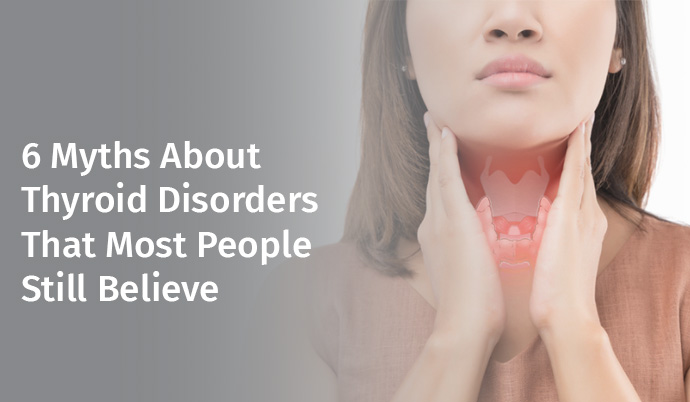
The thyroid is a small, butterfly-shaped gland located at the base of your neck, yet its influence on your body is colossal. It acts as the master controller of your metabolism, regulating everything from your heart rate and body temperature to your mood and digestion. Despite its importance, thyroid disorders remain one of the most misunderstood medical conditions in India.
According to NIH approximately 42 million people in India suffer from thyroid diseases. Furthermore, a study published in the Indian Journal of Endocrinology and Metabolism suggests that nearly one-third of hypothyroid patients remain unaware of their condition due to a lack of screening and prevalent misinformation.
Because misinformation moves so quickly, people may be tempted to try dangerous diets or overlook their ailments. To successfully manage your health, you must understand the difference between factual information regarding the thyroid and unhealthy, misleading information about it. If you think your thyroid is solely responsible for your weight, or if you think that not having lumps in your neck means you're safe from illness, this guideline is meant for you. This guideline will address six of the most common myths regarding thyroid diseases that may inhibit your treatment.
Key Takeaways: Quick Fact Check
Myth 1: Does a Thyroid Problem Always Cause Weight Gain?
The Reality: No. Weight gain is not the only sign, and it is rarely the main cause of obesity.
While metabolism is regulated by the thyroid, thyroid hormone's effects on weight are very complicated. A sluggish thyroid (hypothyroidism) does cause the metabolism to slow down; however, weight gain associated with this condition is usually limited (in most cases) to around 5-10 pounds. This weight gain occurs because of fluid retention (accumulated salt and water) rather than excessive fat. Most commonly, when treated for hypothyroidism, the excess fluid will be lost. In contrast, patients with hyperthyroidism (overactive thyroid) often lose weight; however, there are cases where these patients gain weight as appetite increases significantly resulting in overeating. Therefore, it is important not to rely solely on weight when assessing the health of your thyroid. You can be thin and still have a severely underactive thyroid.
Myth 2: Are Thyroid Symptoms Always Obvious?
The Reality: No. Thyroid disorders are called "The Great Masqueraders" because symptoms are vague.
Many believe they would recognize if they were suffering from a thyroid problem through symptoms that are clear cut, such as a noticeable swelled or bulging neck or tremors (shaking) of the hands. In fact, many of these same symptoms actually overlap with other types of health issues. For example, the classic symptoms of hypothyroidism include sleepiness or fatigue, dry skin and hair loss; however, all three symptoms can also occur in the normal process of aging or during menopause as well as due to vitamin deficiency. Likewise, the classic symptoms of hyperthyroidism, which include palpitations and insomnia, may frequently be written off as stress or anxiety. Many people actually suffer from subclinical thyroid disease for years without even realizing it exists. The only way to determine whether or not a person has developed a specific type of thyroid disease is by administering a Thyroid Function Test (TFT), which measures the levels of TSH, T3 and T4.
Myth 3: Do I Have to Avoid Cauliflower and Broccoli?
The Reality: No. You can eat cruciferous vegetables if they are cooked.
One of the most common myths regarding thyroid disorders is that eating large amounts of raw vegetables containing goitrogens, such as broccoli, cabbage, and cauliflower, can disrupt the body's ability to absorb iodine. The reality is that cooking vegetables with goitrogenic properties will deactivate most of the goitrogens, making them safe to eat. Eating steamed, roasted, or sautéed broccoli provides many nutritional benefits, including fiber and antioxidants. If you are not suffering from an extreme case of iodine deficiency, which is quite rare, the benefits of eating these vegetables far exceed any risk that may be associated with the goitrogenic compounds.
Myth 4: Is Thyroid Disease Only a Woman's Problem?
The Reality: No. While women are more prone, men are significantly affected too.
Even though women tend to develop thyroid problems anywhere from 5 - 8 times more than men, men are not excluded from these problems. Because men often hold the assumption that thyroid problems only happen in women, they will typically neglect to seek medical attention for their symptoms for much longer than women will, leading to much worse outcomes such as heart disease by the time the man gets diagnosed. Men experience thyroid dysfunction differently than women do; they will typically exhibit symptoms such as decreased muscle mass, reduced sexual desire (libido), difficulty achieving or maintaining an erection, and early hair loss (i.e., balding). Also, thyroid problems are not limited to adults - newborn babies may be diagnosed with congenital hypothyroidism, and as such it is very important to screen newborns for this condition.
Myth 5: Does a Lump in the Neck Mean Cancer?
The Reality: Rarely. Approximately 95% of thyroid nodules are benign.
Finding a lump or nodule on your neck can be a frightening experience to have, but you have a 95% chance that it is not cancerous. The majority of lumps whatever they may be, are fluid-filled cysts or they are overgrowth of normal thyroid tissue. In many cases of thyroid cancer (such as Papillary carcinomas), the prognosis for survival is still excellent as are treatment methods. You should not just hope for the best when it concerns a lump. All lumps should be assessed quickly by an Ultrasound or Fine Needle Aspiration Cytology (FNAC) to eliminate any potential risks.
Myth 6: Does Taking Medication Fix Everything Instantly?
The Reality: No. Hormone replacement takes time to balance.
Unlike when you take a pain reliever for your headache, where you get instant relief, hormone replacement therapy is a process and takes time to balance properly. It can be several weeks or even months to determine what dosage (or sweet spot) works best with your body's chemistry. There are also strict rules for how it is absorbed into your body. For example, you need to take thyroxine on an empty stomach as coffee, calcium supplements, or food will inhibit the absorption of this medication into your system. The third and final point, even though the medication replaces hormones, will not resolve the root cause or trigger of any inflammation or stress that may be causing an autoimmune response, so you must continue to manage your lifestyle without the proper therapies.
How to Manage Thyroid Health Effectively
Understanding thyroid facts and misconceptions is the first step. The second is proactive management.
Conclusion: Trust Experts, Not the Internet
Thyroid issues tend to be chronic and can be overwhelming; nevertheless, they don't need to be your sole focus of life. Dispelling common myths of thyroid issues will help you move away from being afraid of what foods to eat and towards a more honest approach to real healing. If you have unexplained weight fluctuations, tiredness or uncharacteristic moodiness - please refrain from trying to self-diagnose by reading Internet forums about these symptoms.
Hormones are very delicate and require meticulous attention. The Department of Endocrinology and Metabolism at SGRH is at the forefront of treating complicated thyroid conditions, and they offer comprehensive thyroid care including hormonal therapy and surgical treatment for thyroid cancer.
Your health should always come first; if you think your thyroid is not functioning properly, schedule an appointment with SGRH today!
Frequently Asked Questions (FAQs)
Q1: After my TSH levels return to normal, will I still need to be on thyroid medication?
Answer: No. It is the thyroid medication that maintains your TSH levels in a normal range. Once you stop taking your thyroid medication, your thyroid function will revert back to its abnormal state and all of your symptoms will return.
Q2: Should I follow a gluten-free diet when I have thyroid disease?
Answer: If you have an autoimmune thyroid disease like Hashimoto's, you might benefit from a gluten-free diet as it can help to reduce inflammation, and people with Hashimoto's thyroiditis have a higher risk of celiac disease. Before making changes to your diets, please consult your endocrinologist first.
Q3: If I have a thyroid disorder, can I have a baby?
Answer: Yes. However, during your pregnancy, it is crucial that you monitor your TSH levels very closely. If your thyroid is not controlled, it can negatively impact your baby's development, so your doctor may adjust your thyroid medication dose accordingly during pregnancy.
Q4: Can I take other medications/supplements together with my thyroid medication?
Answer: No. Calcium, iron supplements and antacids inhibit the absorption of thyroxine, so it is best to separate your thyroid medication from all other medications/supplements by a minimum of four hours.


.webp)