The festive season in India brings unmatched joy, family reunions, vibrant celebrations, and a bounty of traditional delicacies.
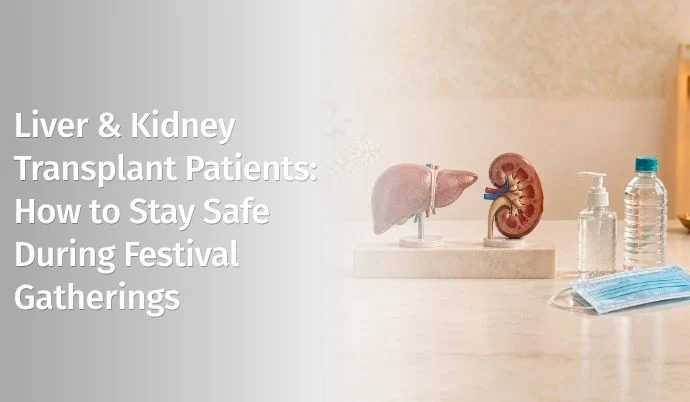
However, for individuals who have undergone a liver or kidney transplant, navigating crowded environments and festive feasts requires rigorous precautions. Because transplant recipients must take lifelong immunosuppressive medications to prevent organ rejection, their immune systems are intentionally dampened. This leaves them exceptionally vulnerable to environmental pathogens, airborne viruses, and foodborne illnesses. Implementing strict transplant patient festival safety measures, following expert immunosuppressed crowd safety tips, adhering to rigorous transplant recipient food safety standards, and prioritizing vital infection prevention after organ transplant allows recipients to celebrate safely and protect their precious graft.
Key Takeaways: Quick Summary
- Suppressed Immunity Vulnerability: During their lives, people who receive organ donations use drugs to suppress the immune system, which can make them more vulnerable to respiratory infections, diseases caused by viruses, and serious results of eating spoiled food.
- Crowd and Air Quality Risks: Crowded festive events, indoor environments with poor ventilation, and significant pollution in the atmosphere may threaten the integrity of the respiratory system.
- Strict Dietary Vigilance: Buffets, sweets, and fruits that haven’t been washed may contain dangerous germs, which increases the importance of hygiene related to food preparation.
- Proactive Protection: To be safe, patients should wear special masks (N95), keep their distance, wash their hands, and plan meals in advance.
Why Festival Gatherings Pose Unique Risks After an Organ Transplant
The key clinical aim after a successful liver or kidney transplant is to maintain the functioning of the new organ. The process involves using immunosuppressive medications that reduce the body's immune activity and prevent it from attacking the transplanted organ.
This beneficial effect comes at a price, however, as it hampers the immune system's ability to prevent infections:
- Aerosol Transmission: Crowded indoor settings, such as pandals, drawing rooms, or family dinners lead to seasonal flu, adenoviral infections, or bacterial pathogens spreading quickly.
- Intestinal Susceptibility: Drinking impure water, consuming dairy products, and maintaining an unhygienic atmosphere during events increases the risk of the emergence of gastroenteritis for the newly transplanted organ.
How Can Transplant Patients Stay Safe in Crowded Environments?
Festivals naturally draw crowds, but close physical contact and poorly ventilated spaces can quickly compromise an immunocompromised system.
1. Master Immunosuppressed Crowd Safety Tips
- Steer Clear of Crowded Enclosed Events: Decline requests for closed gatherings at places such as banquet halls or temples, where there is little air circulation.
- Choose Open-aired and Ventilated Areas: Prefer outdoor fields, open-air spaces, and well-ventilated buildings if you must attend family gatherings.
- Limit Visits: Make sure your stay at gatherings is short to minimize exposure.
- Use Quality N95 Mask: Wear a fitting N95 mask to filter out germs while you are out in public or at crowded family houses.
2. Practice Rigorous Hand Hygiene
- Carry an alcohol-based hand sanitizer everywhere and use it frequently, especially after touching common surfaces like door handles, stair railings, or greeting people with handshakes.
- Wash your hands thoroughly with soap and water for at least 20 seconds before eating or touching your face.
What Food Safety Rules Should Transplant Recipients Follow During Festivals?
Festive food is a central part of celebrations, but open buffets and rich sweets can pose serious health risks for transplant patients.
1. Hazards at Festive Buffets
- Say No to Open Buffets and Street Food: Food exposed to the elements for long hours will be a good grazing ground for bacteria such as Salmonella, E. coli, and Listeria.
- Be Careful with Raw and Unpasteurized Stuff: Don't eat raw or undercooked meat, unpasteurized milk and dairy products, raw salads, or unwashed fruit that was cut by someone else.
- Mind the Sweets (Mithai): Steer clear of open, unpackaged sweets from street vendors and local shops because there is no way of knowing for sure whether hygiene was maintained. Choose only freshly made dishes from home where you know that cleanliness of the ingredients used is guaranteed.
2. Safe Dietary Practices for Recipients
- Consume Food that Is Freshly Prepared: Always ensure that your food is cooked properly and eaten while hot. It is advisable to steer clear of left-over food that has been reheated or if it needs reheating, it has to be heated until blazing hot.
- Drink Purified Water: Always drink bottled water or boiled water at home. Do not take ice cubes as it may have been made from contaminated water.
What Precautions Should Liver and Kidney Transplant Patients Take During Festival Seasons?
Beyond crowd control and food hygiene, managing daily routines during the festive rush requires a comprehensive set of preventative precautions to ensure complete clinical safety:
- Proper Administration Of Medications: Celebrations can lead to changes in your daily focus. Therefore, set up alarms on your phone so you never miss taking your anti-rejection medicines.
- Stay Hydrated To Protect Your Kidneys: Sweets and festive dishes can be rich in sodium and sugar, so make sure you drink enough boiled or bottled water to maintain good kidney and body function.
- Be Aware Of The Seasonal Pollution: Autumn festivals are usually accompanied by an increase in air pollution in dangerous areas such as Delhi-NCR. It is advisable not to leave your house when the pollution level is high and make sure your surroundings are clean.
- Avoid Overworking Yourself And Make Sure You Rest: Late night celebrations may negatively affect your immune system. Make sure to get at least 7-8 hours of uninterrupted sleep.
- Visit Your Medical Doctor Before The Celebration: Visit your transplant specialist before the holidays and have lab tests done (tacrolimus levels and renal or liver tests) to make sure your health sphere is stable.
How Can Recipients Prevent Infections After an Organ Transplant?
Taking care of your graft’s health through the holiday period demands diligent execution of everyday medical regimens and preventive measures as such:
- Stay Current with Vaccinations: Make sure to talk to your transplant team regarding seasonal vaccines (i.e. flu and pneumonia vaccines) ahead of the holiday season.
- Check Your Health Every Day: Take your temperature, blood pressure, urinal output, etc., on a regular basis and communicate any signs of fever, chills, cough, sore throat or digestive problems to your transplant team as soon as possible.
How Sir Ganga Ram Hospital (SGRH) Supports Transplant Recipients
Managing long-term transplant health requires specialized multidisciplinary oversight. The reliable transplant care units at Sir Ganga Ram Hospital provide comprehensive support:
- Department of Liver Transplantation & Hepato-Biliary Surgery: Reliable post-transplant care clinics providing lifelong monitoring, immunosuppressant dosage optimization, and rapid evaluation protocols.
- Department of Renal Transplantation & Nephrology: Dedicated nephrology care ensuring meticulous management of kidney function, blood pressure, and metabolic health for kidney recipients.
- 24/7 Transplant Emergency Support: Round-the-clock emergency medical services equipped to handle acute complications, infections, and urgent diagnostic evaluations.
Conclusion
Festivals are meant to be cherished moments of joy, gratitude, and connection. By exercising deliberate caution, practicing strict transplant patient festival safety, implementing smart immunosuppressed crowd safety tips, prioritizing uncompromising transplant recipient food safety, and focusing on proactive infection prevention after organ transplant, recipients can celebrate securely without compromising their health.
If you experience any unusual symptoms, fever, or digestive distress during the festive season, do not wait. Consult the expert transplant specialists immediately.
For more information visit www.sgrh.com.
FAQs
Q1: Why are transplant patients at such high risk during festival gatherings?
Transplant patients take lifelong immunosuppressive medications to prevent organ rejection. This suppresses their immune system, making it much harder for their bodies to fight off airborne viruses, bacteria from crowds, and foodborne pathogens common during large festive gatherings.
Q2: What are the most important transplant patient festival safety rules?
Key safety rules include wearing an N95 mask in public, avoiding crowded and poorly ventilated indoor spaces, washing hands frequently, strictly avoiding open buffets and street food, and taking all immunosuppressive medications exactly on schedule.
Q3: How can immunosuppressed crowd safety tips protect organ recipients?
By avoiding packed indoor parties, maintaining physical distance, wearing well-fitted respirators, and limiting the time spent in social environments, recipients significantly reduce their exposure to respiratory droplets and infectious aerosols.
Q4: What constitutes safe dietary choices under transplant recipient food safety?
Recipients should eat freshly cooked, piping-hot meals, avoid raw salads, unpasteurized dairy, and open street sweets, drink only purified or boiled water, and ensure all fruits are thoroughly washed and peeled by themselves.
Q5: What signs of infection should a transplant recipient watch for during festivals?
Recipients must monitor for any sudden fever, chills, persistent dry cough, sore throat, burning urination, nausea, vomiting, or diarrhea. Any of these symptoms require immediate notification to their transplant team.
Q6: Can organ transplant recipients still enjoy sweets and festive food at home?
Yes, provided the sweets are sourced from trusted, hygienic places or prepared at home under strict cleanliness standards. Always ensure dairy-based items are fresh and properly refrigerated.
Q7: When should a transplant patient seek emergency medical care during holidays?
Seek immediate emergency medical attention if a transplant recipient develops a high fever, sudden breathlessness, severe abdominal pain, confusion, or a sudden drop in urine output.