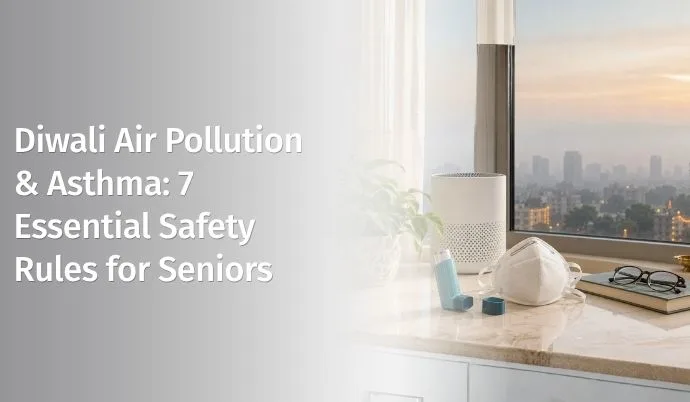
The festival of Diwali is celebrated with profound joy, luminous lights, and vibrant gatherings across India. However, for senior citizens and individuals managing chronic respiratory conditions such as asthma, chronic obstructive pulmonary disease (COPD), or bronchial sensitivity, the post-celebration surge in ambient particulate matter and chemical smoke poses a serious health hazard.
The combination of dense winter fog, drop in ambient temperatures, and widespread firecracker combustion causes the Air Quality Index (AQI) to skyrocket into "Severe" or "Hazardous" zones. For older adults, whose lung elasticity and immune defenses naturally decline with age, safeguarding respiratory health requires deliberate preparation. Implementing Diwali asthma safety measures and strict elderly pollution protection protocols ensures that seniors can enjoy the festive season safely without triggering severe bronchospasms.
Firecrackers release potent pollutants when ignited, containing toxic heavy metals like copper, lead, and barium; sulfur dioxide; carbon monoxide; and tiny particles of dust (PM2.5). When older adults breathe in these substances, it can lead to:
Keep windows and doors shut during the hours of fireworks activity. Use HEPA (High-Efficiency Particulate Air) filters in sleeping and living areas to ensure that the air quality is continuously improved.
The doctor should review the person’s medications before the festival. It should be ensured that an inhaler is available and in good condition before the festival.
If going outside becomes unavoidable, it’s necessary to wear a certified N95 or FFP2 mask. Due to their high filtration capacity, normal comércio or medical masks won’t act.
Maintain steady hydration, drinking warm beverages or herbal teas in order to keep the mucosa of the bronchi moist. Steam inhalations should also be done daily to help release secretly.
On days of the festival mundane cleaning actions, such as sweeping or dusting with dry mops, should be avoided.
All forms of workout, yoga, and walks should be done indoors. Working outdoors when pollution levels are high means breathing quickly and deeply and thus inhaling harsh pollutants that the lungs cannot fight against.
Watch out for the first symptoms of breathing problems that can be a dry cough, tightness in the chest, awakening from sleep due to difficulty in breathing, or a decrease in peak flow output. Take action as soon as the symptoms worsen.
It is necessary to have experts in order to deal properly with the management of geriatric asthma and severe environmental exposure. The clinical services at Sir Ganga Ram Hospital help older adults during seasons of high pollution:
The festive celebrations of Diwali cannot take place without maintaining the health of our elderly family members. By implementing effective Diwali asthma safety strategies and elderly pollution safety measures, seniors can easily cope with polluted air during the celebration.
If you or your seniors in your family suffer from severe breathing difficulties, coughing, or discomfort in the chest, do not hesitate to contact health professionals for help. Expert pulmonology and emergency staff at Sir Ganga Ram Hospital are available all 24 hours a day and are ready to provide you with the necessary help regarding your breathing difficulties.
For more information visit www.sgrh.com.
As people grow older, their physiological capability of the lung, flexibility of the lung, and immune system will reflect downtrend. Furthermore, older individuals are likely to be afflicted by chronic disease conditions like bronchial asthma or heart diseases, which makes their respiratory airways more vulnerable to the effect of toxic smoke and high PM2.5 levels.
Some of the important safety tips are keeping windows and doors securely closed in the times of firework displays, having air purifiers indoors (preferably HEPA filter type), not sweeping dry floors, drinking plenty of warm fluids to stay hydrated, and keeping your inhalers readily available in case of any emergencies.
It is important to take a more discreet approach to senior safety. Due to their weaker physiological reserve, older individuals should avoid going outside when the AQI is high, wear N95 masks for even short periods of time outdoors, and consult a doctor about their maintenance medications before the festival season begins.
No. Cloth masks and standard surgical masks have loose fibers and gaps that allow microscopic PM2.5 particles and toxic gases like sulfur dioxide to pass straight through. Seniors must use certified N95 or FFP2 respirators for effective filtration.
If a senior experiences sudden wheezing or difficulty breathing, he or she must follow his or her doctor's instructions by taking the rescue inhaler, sitting up in a well-ventilated room, and contacting emergency services if the symptoms do not improve after 10-15 minutes.
Family can assist in helping seniors by running air purifiers in rooms where elderly people spend time, sealing drafty doors and windows through weather stripping, clean using damp cloths for cleaning, and making sure seniors drink enough warm fluids regularly.
If the senior has very noticeable difficulty breathing, lips or nails turning blue, is confused, cannot talk properly, or has no relief in symptoms after using an emergency inhaler, medical help must be sought promptly.