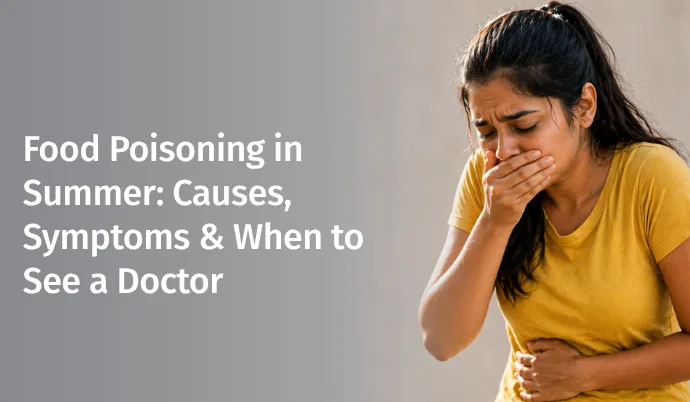
Summer is the season for outdoor picnics, barbecues, and enjoying street food on warm evenings. Unfortunately, it is also the peak season for a highly unpleasant and potentially dangerous condition: foodborne illness.
According to health experts, cases of food poisoning spike dramatically as the temperatures rise. Why? Because bacteria multiply rapidly in warm, humid environments. When food is left out in the summer heat, harmful pathogens can multiply rapidly, turning a delicious meal into a severe health risk in a matter of hours.
While most cases resolve on their own with rest and hydration, some can lead to severe dehydration or systemic infections that require immediate medical intervention. Understanding the causes of food poisoning, recognizing the early food poisoning symptoms, and knowing exactly when to see a doctor for food poisoning can help keep your summer safe and healthy.
Key Takeaways: Quick Summary
Common Causes of Food Poisoning
Food poisoning occurs when you consume food or water contaminated with bacteria, viruses, parasites, or their toxins. In the summer, the heat acts as an incubator. The most common causes of food poisoning during the warmer months include:
1. Temperature Abuse (The "Danger Zone")
Whether it is potato salad at a picnic or a curry left on the kitchen counter, food left out in the heat is a breeding ground for bacteria like Staphylococcus aureus. These bacteria produce toxins that are not destroyed by reheating.
2. Contaminated Cut Fruits and Salads
Pre-cut fruits (like watermelon, papaya, and cantaloupe) and raw vegetable salads are notorious summer culprits. If the knife used to cut them was contaminated, or if they are washed with unsafe water, bacteria like Salmonella or E. coli can quickly multiply on the exposed flesh in the heat.
3. Cross-Contamination During Grilling
Summer barbecues often lead to cross-contamination. Using the same platter or tongs for raw chicken and then using them to serve the cooked meat transfers harmful pathogens directly to your plate.
4. Unsafe Street Food and Water
Drinking contaminated water or consuming beverages with ice made from unpurified water is a leading cause of viral gastroenteritis (like Norovirus) and bacterial infections during the summer.
Food Poisoning Symptoms
The onset of illness can range from just 30 minutes to several days after eating contaminated food, depending on the specific pathogen. However, the most common food poisoning symptoms usually follow a similar, extremely uncomfortable pattern:
When to See a Doctor for Food Poisoning
For most healthy adults, food poisoning is a miserable 24 to 48 hours that can be managed at home with strict rest and Oral Rehydration Solutions (ORS). However, it can quickly escalate into a life-threatening situation, especially for young children, the elderly, pregnant women, and those with weakened immune systems.
You must know when to see a doctor for food poisoning. Seek emergency medical care immediately if you experience any of the following red flags:
Expert Care for Digestive Emergencies
Summer should be about making memories, not battling stomach cramps. By practicing good food hygiene—keeping cold foods cold, hot foods hot, and washing your hands frequently—you can significantly reduce your risk.
However, if a summer meal leaves you or a loved one dealing with severe, unmanageable symptoms, do not wait it out. The Department of Gastroenterology and the Department of Internal Medicine at Sir Ganga Ram Hospital (SGRH) offer expert, rapid-response care to diagnose the exact pathogen, safely rehydrate your body through IV fluids, and provide targeted treatments to get your digestive health back on track.
Book an appointment with SGRH today.
Frequently Asked Questions (FAQs)
Q1: Should I take anti-diarrheal medication to stop the symptoms?
A: In general, doctors recommend avoiding over-the-counter anti-diarrheal medications (like loperamide) for the first couple of days of food poisoning. Diarrhea and vomiting are your body’s ways of getting out all the bad bacteria and toxins. This can trap the bacteria in you and keep you sick longer.
Q2: How long does it actually take for food poisoning to kick in?
A: It depends on the specific bacteria or toxin. Staphylococcus aureus toxins can make you violently ill within 30 minutes to 6 hours. Salmonella usually takes 12 to 72 hours, while an E. coli infection might not show symptoms for up to 3 to 4 days after eating the contaminated food.
Q3: Can I get food poisoning from cooked rice?
A: Yes, with surprising frequency. But uncooked rice may have spores of a bacterium called Bacillus cereus, which can survive boiling. If cooked rice is left at room temperature in the summer heat, these spores can develop into bacteria that produce toxins leading to vomiting and diarrhea. Always refrigerate leftover rice immediately.
Q4: Is it safe to drink fruit juices from roadside stalls in the summer?
A: It carries a high risk. The water used to dilute the juice or make the ice can be contaminated. Additionally, the juicing tools could be poorly sanitized before other customers use them, leading to a buildup of bacteria that could transfer into your beverage. It’s generally safer to choose sealed, bottled drinks or intact fruits you peel yourself.