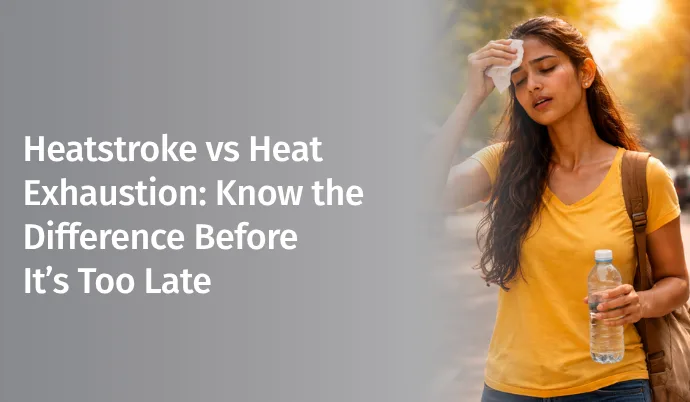
When the summer sun beats down and temperatures soar, spending time outdoors can quickly turn from a fun afternoon into a dangerous situation. Our bodies are incredible machines designed to regulate their own temperature, primarily through sweating. However, when we are exposed to extreme heat and humidity for prolonged periods, this internal cooling system can crash.
The threat is becoming increasingly severe. According to a recent report by The Hindu, India reported nearly 48,000 cases of heatstroke and 159 extreme-heat deaths in 2024—the warmest year on record since 1901. More alarmingly, experts warn that these figures capture only a fraction of the actual burden, as many cases go unreported or misdiagnosed. With extreme heat events expected to worsen, the result is a dangerous rise in heat-related illnesses. The two most common and most frequently confused are heat exhaustion and heatstroke. While one is a severe warning sign, the other is a life-threatening medical emergency.
Understanding the battle of heatstroke vs heat exhaustion is not just about medical trivia; it is about knowing when to rest and when to immediately call an ambulance. Here is everything you need to know to protect yourself and your loved ones before it is too late.
Key Takeaways: Quick Summary
What is Heat Exhaustion
Heat exhaustion happens when your body loses too much water and salt, usually through heavy sweating. It is your body’s way of letting you know that it is having a hard time keeping up with the heat.
Common Symptoms of Heat Exhaustion
If you or someone around you is experiencing heat exhaustion, you will likely notice:
Effective Heat Exhaustion Treatment
When you catch these signs, you need to act quickly so that the condition does not worsen. The objective of treatment for heat exhaustion is to cool the body and remain well hydrated.
1. Relocate: Take the individual to a cooler, air-conditioned space, or at least into deep shade.
2. Hydrate: Give them small sips of cool water. Stay away from ice-cold water, as it can give you stomach cramps, and avoid sugary or alcoholic drinks.
3. Cool Down: Remove tight-fitting clothes. Place cool, wet clothes on their skin, or have them take a cool bath.
4. Watch closely: If the person is vomiting, they have worsening symptoms or they do not improve after one hour of this treatment, get medical help right away.
What is Heatstroke: Symptoms and Remedies
A heatstroke occurs when the body's temperature regulation system completely fails. The body temperature can soar to 106°F (41°C) or higher within just 10 to 15 minutes. Without emergency treatment, a heatstroke can cause permanent damage to the brain, heart, kidneys, and muscles—or even be fatal.
Critical Heatstroke Symptoms
The presentation of a heatstroke looks vastly different from exhaustion. The most critical heatstroke symptoms include:
What to Do During a Heatstroke
1. For emergency medical assistance, dial for help right away. Do not wait.
2. Get the person to a cool place.
3. Try to lower their body temperature as best you can while waiting for paramedics (ex: immerse them in a cool bath, sponge them with cold water, or put ice packs on their neck, armpits and groin).
4. Do NOT offer them fluids to drink. Your altered mental state means choking is a high risk.
Difference between Heatstroke vs Heat Exhaustion
When every second counts, use this quick comparison to assess the situation:
| Feature | Heat Exhaustion | Heatstroke |
|---|---|---|
| Skin | Cold, pale, clammy | Hot, red, dry (usually no sweat) |
| Sweating | Heavy and profuse | Stopped entirely (classic heatstroke) |
| Pulse | Fast and weak | Fast and strong |
| Mental State | Dizzy or faint, but lucid | Confused, agitated, slurred speech, unconscious |
| Body Temp | Elevated, but usually below 103°F | 103°F or much higher |
| Action Required | Cool down, hydrate, monitor | Call emergency services immediately |
Prevention and Expert Care: Your Best Defense
Both of these ailments can generally be avoided with proactive measures during heatwaves. Drink lots of water during the day, plan outdoor activities for cooler parts of the day, wear loose clothing and don’t leave children or pets in a parked car.
If either you or a loved one experience severe heat-related symptoms, do not delay seeking medical assistance. Sir Ganga Ram Hospital (SGRH) has a well-trained faculty & clinical staff at both the Department of Emergency Medicine and Department of Internal Medicine to tackle critical, life-threatening heat emergencies as they present and deliver this world-class, rapid-response care available 24/7 — for you and your loved ones.
Book an appointment with SGRH today.
Frequently Asked Questions (FAQs)
Q1: Is it possible to get heatstroke without being exposed directly to the sun?
A: Yes. Although classic heatstroke is commonly associated with long periods spent in the sun, “exertional heatstroke” can occur in people who work or quickly exercise hard in hot, humid environments — even those that are shaded or indoors. Staying in an excessively hot, poorly ventilated room can also cause heatstroke.
Q2: Who are the people most at risk for heat-related illnesses?
A: Infants, young children and the elderly are particularly vulnerable because their bodies do not regulate temperature as well. Also, people with chronic diseases (such as heart disease or diabetes) and those who do strenuous outdoor work are at markedly increased risk.
Q3: I have heatstroke, so why shouldn’t I drink?
A: Heatstroke results in an altered mental state, confusion and sometimes seizures, so the person’s swallowing reflexes are likely impaired. Giving them fluids orally presents a deadly choking hazard. That you can give IV fluids (i.e., intravenous) by nutrients and medical professionals.
Q4: Are certain medications more likely to make me susceptible to heat exhaustion?
A: Yes. Some common medications also can interfere with your body’s ability to maintain hydration and respond to heat. These include diuretics (water pills), blood pressure medications, antihistamines and some psychiatric drugs. In the summer, always ask your doctor about heat-related side effects.
Q5: How long does it take to recover fully from heat exhaustion?
A: If you cool the skin immediately and hydrate as needed, symptoms most often resolve in a matter of hours. But you might feel some extra fatigue or heat sensitivity for a few days. It’s important to rest and not engage in vigorous activities in the heat during this recovery period.