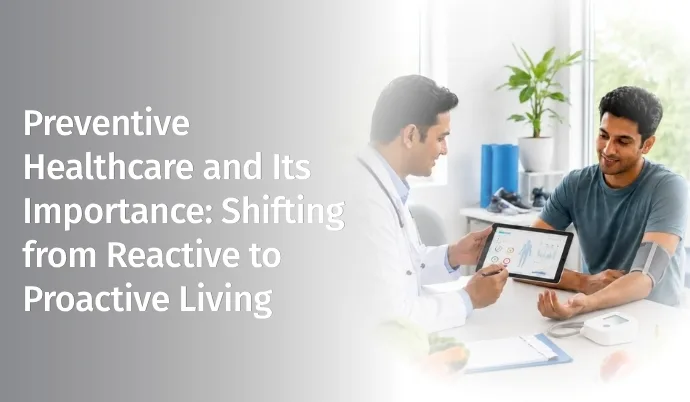
For generations, the traditional approach to healthcare in India has been reactive. Most individuals only cross the threshold of a clinic or hospital when a severe symptom manifests, pain becomes unmanageable, or a medical emergency arises. This "treatment-first" approach places a massive emotional and financial burden on families.
However, modern medical science is driving a critical paradigm shift toward preventive care. The philosophy behind preventive health is simple yet profound: to protect, promote, and preserve well-being by stopping illnesses before they can permanently damage the body. The stakes could not be higher. According to the Indian Council of Medical Research (ICMR) and the World Health Organization (WHO), non-communicable diseases (NCDs) like cardiovascular issues, diabetes, chronic respiratory diseases, and cancers now account for over 60% of all deaths in India. Alarmingly, the WHO notes that up to 80% of premature heart diseases, strokes, and Type 2 diabetes cases are entirely preventable through timely clinical tracking and lifestyle modifications. This guide breaks down the core structural layers of preventive care and outlines exactly why being proactive is the single most important investment you can make for your future.
Key Takeaways: Quick Summary
What Actually Counts as Preventive Care?
To build an effective defense against disease, medical professionals divide preventive care into a clear framework that addresses different stages of your health journey:
1. Stopping Illness Before It Even Starts (Primary Prevention)
This layer focuses on entirely avoiding the onset of a disease by targeting risk factors that you can actually control. This involves a mix of everyday habits and basic medical protection:
2. Catching Hidden Issues Early (Secondary Prevention)
Many chronic conditions develop quietly over years without causing a single outward symptom. This step uses specialized diagnostic screenings to identify illnesses in their silent phases, allowing for swift, simple medical interventions before things get complicated.
3. Managing an Existing Condition Safely (Tertiary Prevention)
If a chronic illness or advanced health issue has already been diagnosed, prevention doesn't stop. At this stage, the focus shifts to managing the condition strictly to halt further deterioration, avoid emergency hospital re-admissions, and restore your physical independence. This is achieved through structured cardiac or physical rehabilitation, taking prescribed medications exactly on time, and following targeted dietary guidelines.
Why Should Indian Families Care About Prevention Right Now?
How Does It Protect My Family's Finances?
In India, out-of-pocket medical expenses remain significantly higher than global averages, occasionally pushing vulnerable families into financial distress due to sudden hospitalization costs. A severe cardiovascular event or late-stage oncology cycle requires incredibly expensive therapies, intensive care suite stays, and complex surgeries. By contrast, the modest layout required for an annual health checkup provides a massive economic buffer, saving families from catastrophic emergency expenditures down the line.
Why Are Younger People Getting Sick Earlier?
Clinicians across India are recording a deeply concerning trend: a sharp spike in advanced lifestyle disorders like non-alcoholic fatty liver disease (NAFLD), severe hypertension, and cardiac issues among working professionals in their 20s and 30s. Sedentary desk environments, high digital stress levels, erratic sleep cycles, and highly processed diets mean that young adults can no longer assume youth equals perfect health. Preventive screenings act as an essential biological mirror, prompting necessary lifestyle resets before permanent tissue damage occurs.
Why Choose Sir Ganga Ram Hospital (SGRH) for Your Preventive Care?
Transforming your approach to health requires a trusted clinical partner backed by deep diagnostic accuracy and a commitment to patient safety. The comprehensive health checkup division at Sir Ganga Ram Hospital (SGRH) is designed to provide families with structured, clear health blueprints.
Sir Ganga Ram Hospital: Preventive Health Checkup Packages
To cater to diverse demographic requirements and clinical risk profiles, SGRH offers a structured tier of comprehensive preventive packages managed under a single-day workflow.
| Package Tier | Primary Clinical Focus & Key Inclusions | Target Group |
|---|---|---|
| Executive Health Checkup | Baseline biochemistry, fasting blood sugar, complete lipid profile, kidney & liver function tests, hemogram, chest X-ray, and ECG, followed by a general physician consult. | Adults (Ages 20–35) seeking an annual health baseline. |
| Comprehensive Health Package | All Executive panels plus Ultrasound of the whole abdomen, TMT (Treadmill Test) or Echocardiography, HbA1c, and pulmonary function metrics. | Adults (Ages 35+) tracking cardiovascular and metabolic shifts. |
| Senior Citizen Package | Tailored geriatric screenings including bone mineral density (DEXA scan), PSA (for men), extended rheumatoid factors, vitamin profiles (D3 & B12), and ophthalmology screening. | Seniors (Ages 60+) tracking joint, vision, and metabolic stability |
| Well Woman Packages | Comprehensive standard biochemistry integrated with specialized gynecology reviews, Pap smear screenings, and high-resolution digital mammograms or breast ultrasounds. | Women (Ages 35+) focusing on oncology and hormonal tracking. |
Important Logistical Instructions for Patients:
1. Fasting Window: A strict 10 to 12-hour overnight fasting window is mandatory before arriving at the daycare desk. Do not consume tea, coffee, or breakfast; only plain water is permitted.
2. Medication Rules: If you are taking blood pressure or thyroid medications, consume them at your regular time with a small sip of water, unless advised otherwise by your physician. Diabetic patients should hold their morning insulin or oral medications until their fasting blood samples are drawn.
3. Documentation: Bring your previous medical summaries, family health history records, and a valid national identity card [Aadhaar Redacted] to streamline registration.
Conclusion
Your health is a continuous journey, not an intermittent emergency. While emergency medicine is vital for treating illnesses after they appear, preventive care is the tool that empowers you to take absolute ownership of your future. By committing to regular clinical screenings, keeping your immunizations updated, and maintaining an open dialog with your physician, you can prevent a silent condition from disrupting your life. Shift your family's focus from treatment to true wellness.
Connect with the specialized clinical coordinators at the Department of Internal Medicine at Sir Ganga Ram Hospital to select a tailored evaluation package today.
Your Questions Answered (FAQs)
Q1: At what age should a healthy person start getting regular checkups?
A: Preventive care actually begins in infancy with childhood immunization schedules. For adults, routine blood pressure tracking and baseline blood work should be done annually starting at age 20.
Q2: What is the difference between a routine test and a preventive screening?
A: A diagnostic test is performed because a patient is already experiencing active symptoms (like ordering an ultrasound because of persistent abdominal pain) to find the cause.
Q3: Can a strong family history of a disease be beaten by preventive care?
A: While you cannot alter your genetic blueprint, knowing you have a family history of conditions like heart disease, diabetes, or colorectal cancer is incredibly valuable information.