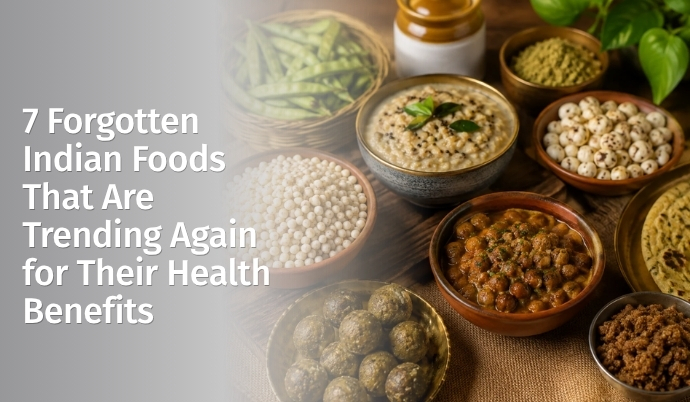
Long before avocado toast claimed its spot on modern breakfast menus, a quiet culinary revolution was already embedded in India’s regional kitchens. Today, health-conscious individuals and global nutritionists are looking past short-lived Western superfood trends and returning to the deeply rooted food traditions of the Indian subcontinent.
For generations, Indian culinary heritage was anchored in seasonal eating, gut-friendly fermentation, and locally harvested grains—from the chulhas of rural homesteads to vibrant regional thalis. However, rapid urban lifestyle shifts, refined food processing, and Westernized eating habits temporarily sidelined these nutrient-dense indigenous ingredients in favor of convenient, packaged alternatives.
Now, modern clinical science is validating what traditional Indian wisdom practiced all along: native millets like ragi and jowar, traditional fermented batters, cold-pressed oils, and wild botanicals pack superior nutritional density, anti-inflammatory compounds, and gut-restorative microflora. As individuals seek sustainable, locally rooted ways to build resilience and metabolic strength, these long-forgotten staples are making a powerful, necessary comeback.
In this clinical guide, dietitians and clinical nutrition specialists at Sir Ganga Ram Hospital explore seven traditional healthy Indian foods, examine why these indigenous superfoods are gaining global recognition, and highlight how reintegrating these time-tested staples into your daily diet can transform your long-term health.
Key Takeaways: Quick Summary
The Resurgence of Traditional Indian Foods for Health
Modern nutritional research highlights a clear pattern: chronic metabolic conditions like type 2 diabetes, fatty liver disease, cardiovascular issues, and inflammatory gut disorders have risen alongside our reliance on heavily processed, ultra-refined diets.
Traditional Indian culinary practices prioritized whole, minimally processed ingredients tailored to local topographies and seasonal changes. By shifting back to these time-tested staples, we reintroduce vital dietary fiber, essential micronutrients, and protective phytonutrients that modern diets often lack.
7 Forgotten Indian Superfoods Making a Major Comeback
Here are seven indigenous Indian foods reclaiming their rightful spot on modern plates for their exceptional health benefits:
1. Millets (Ragi, Jowar, Bajra & Foxtail Millet)
Long before refined wheat and polished white rice became dominant staples, indigenous millets were the foundation of Indian meals. Declared "Nutri-Cereals" globally, millets are climate-resilient crops packed with exceptional nutritional value.
2. Sattu (Roasted Gram Flour)
Often called the "Protein of the Masses," Sattu is a traditional energy staple originating from Bihar, Uttar Pradesh, and Jharkhand. Made by dry-roasting Bengal gram (chana) and grinding it into a fine flour, Sattu was historically consumed by farmers and travelers for long-lasting stamina.
3. Kanji (Fermented Black Carrot & Mustard Drink)
Before commercial probiotic supplements and trendy kombuchas lined supermarket shelves, traditional Indian households brewed Kanji every winter. This deep-purple, naturally fermented probiotic tonic is made using black carrots, mustard seeds, sea salt, and water left to ferment in natural sunlight.
4. Bathua (Lamb’s Quarters)
While commercial spinach and kale dominate modern salad menus, Bathua is an indigenous wild leafy green that grows abundantly across northern India during winter. Traditionally cooked alongside mustard greens (Sarson), this wild green is a nutritional giant.
5. Moringa (Drumstick Leaves & Pods)
While Western health markets package moringa into expensive capsules and green powders, Indian kitchens have used drumsticks and moringa leaves (Murungai) in sambar, curries, and dry stir-fries for millennia.
6. A2 Desi Cow Ghee
During the late 20th century, misguided dietary fat fears led many to replace traditional Ghee with hydrogenated vegetable oils and margarine. Today, modern lipid research has vindicated pure A2 Ghee, restoring its status as a vital health food.
7. Amaranth (Rajgira / Ramdana)
Amaranth, locally known as Rajgira or Ramdana (meaning "God's own grain"), is an ancient pseudocereal cultivated in India for over 8,000 years. Traditionally consumed during religious fasting days (navratri), Rajgira is now recognized as a premier pseudocereal worldwide.
How to Integrate Traditional Indian Foods Into Your Daily Diet
Reclaiming your health through traditional Indian foods for health doesn't require a complete overhaul of your eating habits. Simple, intentional swaps can yield significant long-term wellness benefits:
Comprehensive Clinical Nutrition and Preventive Care at Sir Ganga Ram Hospital (SGRH)
While incorporating nutrient-dense healthy Indian foods provides a firm foundation for overall wellness, managing chronic metabolic conditions, food intolerances, or specific nutritional deficits requires personalized clinical medical oversight. The Departments of Clinical Nutrition and Dietetics, Endocrinology, and Internal Medicine at Sir Ganga Ram Hospital (SGRH) offer comprehensive diagnostic assessment and evidence-based lifestyle care in India.
Why Patients Trust SGRH for Clinical Nutrition and Preventive Medicine:
Conclusion
The rising global popularity of traditional Indian foods for health is far more than a passing culinary trend—it is a overdue recognition of ancient nutritional wisdom validated by modern medical science. From the gut-healing powers of fermented Kanji to the blood-sugar-stabilizing properties of millets and the rich antioxidant profile of moringa, these Indian superfoods offer accessible, sustainable paths to vital health.
By rediscovering these forgotten culinary treasures and pairing them with a balanced lifestyle, you can protect your digestive health, boost immunity, and safeguard against metabolic disorders.
If you are looking to address metabolic health, manage chronic conditions, or design a personalized nutritional plan, connect with the clinical nutrition and medical specialists at Sir Ganga Ram Hospital to schedule a comprehensive evaluation today.
Book an appointment with SGRH today.
Frequently Asked Questions (FAQs)
Q1: Why are ancient millets considered better than refined wheat or white rice?
A: Millets are whole grains with a significantly lower glycemic index (GI), higher dietary fiber content, and richer micronutrient profile compared to refined wheat and white rice. They digest slowly, providing sustained energy, preventing sharp blood sugar spikes, and supporting healthy gut motility.
Q2: Can traditional Indian superfoods replace modern medical treatment for chronic diseases?
A: No. While traditional healthy Indian foods offer incredible preventive and therapeutic benefits, they are meant to complement—not replace—professional medical care. Individuals with chronic conditions like diabetes, hypertension, or thyroid disorders should always consult their physician at SGRH for comprehensive medical management.
Q3: Is Ghee safe for people with high cholesterol?
A: Yes, when consumed in strict moderation (1 to 2 teaspoons daily). Pure A2 Ghee contains healthy short-chain fatty acids and conjugated linoleic acid (CLA). However, individuals with existing hyperlipidemia or heart conditions should consult a dietitian to determine their specific daily lipid limits.
Q4: What is the best way to incorporate Sattu into a daily weight-loss diet?
A: Drinking a glass of savory Sattu drink (mixed with water, lemon juice, and roasted cumin) in the morning or as a mid-afternoon snack provides high satiety. Its combination of protein and complex fiber keeps you full for hours, curbing unhealthy sugar cravings and overeating.
Q5: Why are fermented foods like Kanji beneficial for gut health?
A: Natural fermentation produces live probiotic bacteria (lactobacillus) that colonize the digestive tract. These beneficial microbes improve digestion, strengthen the gut barrier, enhance nutrient absorption, and boost overall immune resilience against seasonal pathogens.
Q6: Are indigenous leafy greens like Bathua safe for everyone?
A: Bathua is highly nutritious for most individuals, but people with a history of kidney stones should consume it in moderation. Like spinach, Bathua contains naturally occurring oxalates. Steaming or boiling the greens thoroughly helps significantly reduce their oxalate content.