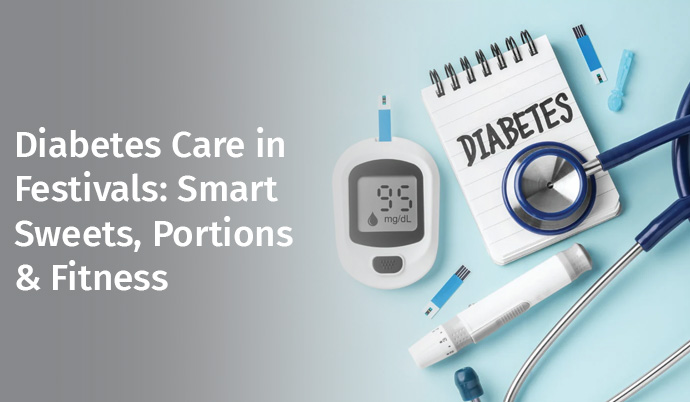
In India, the winter season is a culinary window ranging from wedding feasts to Christmas cakes and New Year celebrations. For the millions living with diabetes, however, this season often brings anxiety.
The pressure of "bas ek piece" and disrupted routines can quickly undo months of progress. This isn't just a fear; it's a fact. Leading diabetes platforms report a 15-20% average glucose spike during the festive season. Furthermore, according to clinical reports from Max and Apollo hospitals, there is a 25% rise in new patient footfall immediately after the holidays.
But here is the good news: Diabetes doesn’t mean the end of celebration. You don’t need to sit in a corner with a salad. By using strategic indulgence and smart substitutions, you can enjoy the festivities without compromising your health.
Controlling your sugar during festivals:
- Pre-Snack to Protect: Never arrive at a party with an empty stomach. Eating a protein and fiber snack (like almonds or yogurt) before leaving home creates a "satiety buffer" that helps prevent overeating.
- The 3-Bite Rule: You must follow the 3 bite rule. The first bite is for the taste, the second for satisfaction, and the third is the signal to stop.
- Smart Swaps: You can opt for healthier alternatives e.g "dry" sweets like roasted nut clusters or steamed Sandesh over syrup-soaked options like Gulab Jamun or Jalebi.
- Hydration is Heroic: Staying hydrated helps flush out excess amounts of refined sugar through urine and also eliminates the false hunger signals.
- Move to Manage: You can manage your blood sugar levels after meals without medication by taking a 15-minute brisk walk after eating. Exercise is one of the most effective non-medicinal ways to reduce blood sugar levels postmeal.
Challenges of Managing Diabetes During Festivals
Festivals disrupt routine, and routine is the best friend of diabetes management. The challenge isn't just the sugar on the table; it is the physiological impact of the festive lifestyle.
- CORRELATION BETWEEN SLEEP AND SUGAR - When people stay up late with friends and family, they generally do not get enough sleep. When you get less than 6 hours of sleep in 24 hours, that causes your body to produce more of the hormone Cortisol, which induces Insulin Resistance. Thus, if you eat the exact same foods but do so without sleeping, your Blood Sugar levels will be elevated.
- HOST STRESS - The stress of hosting a gathering (cleaning, preparing food and taking care of guests) keeps our bodies functioning at a high level of alertness and causes a release of Glycogen from our Liver for energy.
- IRREGULARITIES IN MEALS - Festivals typically have lunch at a later time and dinner at a later time. Due to extended periods of time without eating a meal, some people will become Hypoglycemic and will subsequently experience an increase in their desire to eat and experience "Rebound Hyperglycemia".
What Spikes Sugar in festivals?
To manage your condition, you must first identify the behavioral traps:
- Eating sugary desserts on an empty stomach results in a rapid spike in blood sugar levels due to the absence of any fiber and/or protein which would slow the body's absorption of the sugar.
- Many patients will skip taking their medication or insulin because they plan to eat less that day (and therefore won't need to take as much), or they will mistakenly believe that taking a double dose of their medication will offset the sugar intake from their 'feast' (and therefore allow them to binge eat). Both of these are dangerous habits.
- We tend to focus more on food than on beverages. Many popular beverages today (such as thandai, sherbet, packaged juices, and sweetened sodas) are loaded with sugar and can cause an immediate spike in blood sugar levels after consumption.
- Sitting for hours at a time during social gatherings (playing cards, chatting, etc.) and not doing any type of exercise has a negative effect on muscles' ability to absorb glucose.
Can Diabetics Eat Sweets During Festivals?
Definitely yes, but with a strategy.
Many people believe that following a diabetes diet means totally avoiding sugar but many times this all-or-nothing approach can lead to failure because patients tend to go without sugar for several days and then binge uncontrollably on sweets. While you shouldn't deprive yourself of enjoying sweets, it is best to pay close attention to what types of sweets are being advised and how much of each is being consumed. Understanding Glycemic Load should be the focus of a diabetic's diet; meaning, not only should you know how sweet a food is, but also the amount of glucose it produces in your system.
How to Eat Sweets Without Spiking Glucose
- Sequence Your Foods: Start with fibre (vegetables), followed by protein (dal, chicken, paneer) and leave carbohydrate foods (rice, roti, sweets) for last. This "fibre barrier" helps slow the emptying of sugars into your bloodstream.
- Never Eat Sweets Alone: Always pair sweets with nuts (almonds, walnuts), or seeds. These healthy fats and proteins slow gastric emptying and provide long-lasting energy.
- Say No to Sugar Syrup: Avoid sweets soaked in sugar syrup (chashni). If you must have a Rasgulla (Rasgula), remove the syrup as much as possible before eating.
- Follow the 15-Minute Rule: After indulging, don't sit down right away. Walking briskly for 15 minutes or standing while socialising can help your muscles utilise the sugar for energy immediately.
Some Healthy Alternatives for Traditional Indian Sweets
You can enjoy the festive spirit by making smart substitutions in your kitchen.
1. Kalakand (Steamed Sandesh)
- Better for You: Kalakand is a sweet made primarily of cottage cheese (Chhena), which has a high protein content, and they usually have less sugar than traditional Indian sweets such as laddoos and butter-based sweets.
- Change: Use high-quality stevia or monk fruit instead of sugar.
2. Khajoor Barfi (Date & Nut Rolls)
- Better for You: Khajoor Barfi gets its sweetness from the natural fructose found in dates and figs instead of refined white sugar. They are also a great source of fiber, iron, and healthy fats.
- Be Aware: Even though they contain natural sugar, consuming one Khajoor Barfi will still increase blood glucose levels.
3. Oats and Apple Rabdi
- Better for You: Traditional Rabdi is made with cream milk and sugar, this recipe replaces sugar with grated apple, and it uses oats instead of cream for the base of the recipe, which significantly increases the dietary fiber content.
- Suggestion: When preparing your Oats and Apple Rabdi recipe, add Cinnamon (Dalchini) to enhance the flavour and additionally increase insulin sensitivity.
Healthy Snacking for Diabetics During Festivals
Snacking is often where diet plans collapse. Pre-dinner appetizers at parties are usually deep-fried, salty, and refined carbs (maida). The objective is to plan smart snacks that provide satiety without the spike.
Best Snack Ideas for Diabetics During Festivals
- Makhana (Fox Nuts) roasted with Ghee and Rock Salt are low on the glycemic index and high in fibre content, thus they have many health benefits and can be eaten by people with gluten intolerance as well.
- Chicken Tikka or Paneer Tikka are proteins. Is it not ? When marinating use curds/ yoghurt and spices instead of sugary sauces/ketchup which will make you feel fuller for longer due to the richness of Protein.
- Roasted Chana (Chickpeas) has a lot of Protein & Fibre and helps to keep Blood Sugar stable.
- Vegetable Crudités (cucumbers, carrots, Bell Peppers) are crunchy and provide a volume effect so you feel fuller longer. The Hummus will also aid in keeping your tummy satisfied.
Meal Planning for Diabetics During Festivals
Smart planning can help you avoid sugar rushes and the subsequent guilt. Utilizing the Plate Method is the easiest way to manage portions without counting calories.
How to Plan Your Festive Meals
- You can see how much food you eat visually by looking at it like a plate. Half of that plate should consist of non-starchy veggies (like salads and cooked ones) and a quarter of it should have protein (like dal, paneer, fish or chicken) and the last quarter is for carbohydrates (like rice, roti, and possibly dessert or sweet).
- Studies show that using a 9-inch plate instead of a regular 12-inch dinner plate reduces the size of the portions taken (20% to 30%) because of the way things look taller (due to the size of the plate), and you will take less food from it (due to the way you see the food).
- If you (like most people) drink alcohol, the best time to drink is on an empty stomach so that you do not have a rapid rise and then drop in blood sugar when your body processes it (usually about an hour after consuming).
- If you are throwing a party, consider cooking your samosas and tikkis (instead of deep frying) in an Air Fryer or oven.
Scientific Evidence & Studies
- Glucose Fluctuations: Glucose levels following meals are an important factor for controlling blood glucose levels for overall health and treatment of cardiovascular disease, as well as fasting and pre-meal glucose levels, as discussed by the IDF.
- After Meal Aerobic Activity: Research published in Diabetologia revealed a reduction in blood glucose levels in individuals that performed 10-15 minutes of low-intensity aerobic exercise within 15 minutes after eating versus 45 minutes of moderate to vigorous exercise completed at various parts of the day.
- Sugar Consumption: According to the World Health Organization (WHO), the amount of free sugars consumed by an individual should not exceed 10% of their daily caloric intake. For those with diabetes, if free sugars are kept below 5% of their daily caloric intake, significant clinical benefits will result.
Step-by-Step Tips to Manage Diabetes During Festivals
- Check Blood Sugar: You can't manage what you haven't measured. By checking your blood sugar levels one hour before dinner and two hours after eating, you will receive valuable biofeedback for the foods that may trigger you.
- Remain Active: Dance! It is a fun way to burn calories and relieve stress while celebrating. If you're not dancing, make sure you meet your step goals each day before nightfall.
- Drink Adequate Water: Drink an 8 oz. glass of water for each hour that you're celebrating. Drinking water will help with digestion and prevent fake hunger.
- Control Stressors: High cortisol levels increase blood sugar levels. When hosting becomes overwhelming, take breaks by practicing deep-breathing exercises.
- Get Enough Sleep: It's important to get 7-8 hours of sufficient quality sleep. Having adequate sleep will help keep the balance of your hunger hormones (ghrelin and leptin).
Conclusion
Festivals are meant to add sweetness to your life, relationships, and memories—not just to your bloodstream. You do not have to eliminate your favorite foods entirely; you simply need to make smarter choices, prioritize portions, and remain active.
Everything should be in moderation. By maintaining a balanced diet, staying active, and consuming plenty of water, you can keep your glucose even and your spirits high.
The Department of Endocrinology at Sir Ganga Ram Hospital is dedicated to supporting your journey toward a healthy, happy life, ensuring that your celebrations are safe and joyous.
FAQs
Q. Is it ok if I skip my diabetic medicine during my fast?
Ans. No. You Should Never Stop or Change Your Medication Dosage. The Use of Insulin-based Medications or Medications that Produce Insulin (such as Sulfonylureas) while Fasting Could Be
Life-Threatening due to Hypoglycemia. It Is Very Important to Check with Your Doctor Before Fasting If You Are Taking These Medications.
Q. Are Sugar-Free Sweets Safe to Eat?
Ans. The answer is No. Sugar-Free Sweets do not have Any Calories; They May Have High Caloric Counts from Fat, Thickening Agents, and Flour (maida). Although Sugar-Free Sweets Do Not Directly Have a Significant Impact on One's Blood Sugar Level, Overmedicating on Sorbitol, Mannitol, and Other Sugar Alcohols Found in Sugar-Free Candies Could Result In Stomach Discomfort. You Should Only Have Sugar-Free Sweets as Occasional Treats, Not a Freebie.
Q. Is Gur (Jaggery) or Honey any Healthier than White Sugar?
An. No. This Is One of the Most Common Sugar Myths. Although Gur and Honey Contain Trace Minerals, They Have a Similar Glycemic Index to White Sugar. Therefore, They Raise Your Blood Sugar Level the Same Way; Therefore, You Should Consume These Sweeteners in Exact Same Amounts That You Would Refined Sugar.
Q4. Can I drink alcohol during festive parties?
If your blood sugar is well-controlled, moderate consumption may be permitted by your doctor, but with strict rules: never drink on an empty stomach, avoid sugary mixers (juices/soda), and stick to no more than 1-2 standard drinks. Alcohol can mask the symptoms of low blood sugar, so be extra vigilant.