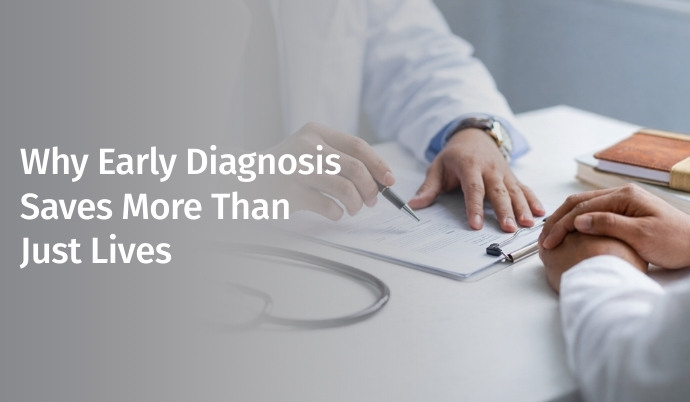
In Indian households, there is a common cultural habit of "toughing it out." A persistent cough is dismissed as "just the weather," and chronic fatigue is blamed on a busy work schedule. We often view going to the doctor as a last resort, reserved only for when symptoms become unbearable. However, medical professionals argue that this reactive approach is the single biggest gamble you can take with your future. According to Lancet 2024 study: recent data reveals that 71% of Indian cancer deaths stem from late detection, while 212 million Indians live with untreated diabetes, often undiagnosed until irreversible organ failure strikes.
Medicine has shifted from a curative model to a preventive one. The logic is simple: it is far easier to put out a spark than a raging inferno. While the primary goal of medicine is to save lives, the benefits of early diagnosis extend far beyond just survival statistics. They encompass financial stability, emotional resilience, and the preservation of your quality of life.
In this blog, explore why your annual check-up might be the most important investment you make this year.
Key Takeaways: Quick Summary
1. What Are the Real Benefits of Early Diagnosis?
"Early Diagnosis" is often thought of as a term for diagnosing cancer; however, it is relevant for every medical condition. The top benefit of early diagnosis is the ability to reduce "treatment toxicity," which means steering clear of major operations or highly addictive drugs by simply changing one's diet, exercise habits, tobacco use, alcohol consumption, and stress management.Findings from early identification of chronic diseases, such as hypertension, further prevent tragic incidents such as strokes.
2. Can You Spot the Early Signs of Diabetes in Time?
Diabetes has been labelled the "silent killer," because it causes damage to blood vessels years before any symptoms appear. Early recognition of subtle symptoms of diabetes like increased thirst, frequent urination, and slow-healing cuts may allow someone to reverse their diabetes through lifestyle changes while still in the "prediabete" stage of the disease. If you wait to detect diabetes until your body requires insulin for treatment, then the diagnosis will completely change your way of life going forward.
3. Why Do We Miss the Early Signs of Depression?
While many people view mental illness as a mood disorder, depression is a medical condition; untreated, it has the potential to physically atrophy the hippocampus, part of the brain. Early intervention is key in allowing one to look for symptoms other than sadness, including anhedonia (loss of pleasure in previously enjoyed activities), severe sleep disruption, or physical attributes, such as increasing pain or chronic fatigue.
4. Does Early Detection Protect Your Organs?
Our bodies are interconnected ecosystems, and when one of those connections is ignored, it creates a dangerous "domino effect." For example, untreated hypertension (high blood pressure) will not only create damage to the kidneys but will do so without symptoms until kidney damage presents itself through pain. By being proactive, we can halt this chain of events by performing early screenings.
5. What Stops Us From Getting Checkups?
Why do we procrastinate? One reason may be due to an irrational fear of uncertainty. We tend to think that a lack of information equates to a lack of problems. Another common reason for delaying is "Dr. Google" syndrome. While searching for information online can create panic or provide false hope, it will never provide an accurate diagnosis – that requires the expertise of a medical professional.
Role of AI in Diagnostics
Artificial Intelligence (AI) acts as a powerful "second set of eyes" for doctors, revolutionizing early detection. At SGRH, AI empowers physicians to catch diseases while they are still invisible:
This technology doesn't replace doctors; it enhances their ability to save lives.
What Tests Should You Get in Your 20s, 30s, 40s, and 50s?
Your health risks evolve with age. Here is your screening roadmap:
Conclusion: Knowledge is Your Best Medicine
The era of paternalistic medicine, where the doctor fixes you only after you break, is over. Today, you are the CEO of your own health. By understanding the benefits of early diagnosis and staying vigilant about changes in your body, whether it is the early signs of diabetes or the early signs of depression, you are actively rewriting your health story.
Don't wait for pain to push you into a clinic. Make preventive health a priority. The Department of Preventive Health & Wellness at Sir Ganga Ram Hospital offers comprehensive screening packages tailored to your age and risk profile, ensuring that you catch potential issues when they are merely whispers, not shouts.
Book an appointment with SGRH Today.
Frequently Asked Questions (FAQs)
Q1: How often should I get a full body checkup?
If you are a healthy adult under 30 years of age, then every two to three years is fine. For people who are older than 30 years of age, it is recommended that they have an annual physical examination. If you have any additional risk factors (obesity, smoking, family history of disease), your physician might recommend a more frequent screening.
Q2: Are annual health checkups covered by insurance?
Many modern-day Health Insurance plans in India typically provide for free annual checkup examinations. You will need to review your Health Insurance Policy or contact your Health Insurer to determine whether you qualify for this benefit.
Q3: I feel fine; do I really need to see a doctor?
Yes. "Feeling fine" is not the same as "being healthy." Conditions like high cholesterol, early diabetes, and hypertension are asymptomatic in their initial stages. Screening finds these silent threats before they make you feel sick.