The Paediatric Haematology Oncology unit at Sir Ganga Ram Hospital stands out as a unique facility in India, offering complete oncology care and treatment for children with blood and immune diseases up to 18 years of age. It is a place where doctors refer some of their most complex and critically ill paediatric patients.
This specialized department is supported by a dedicated team of experts in Paediatric Haematology Oncology, Immunology, and BMT. The team includes highly experienced Paediatric Oncologists, Haematologists, Paediatric Onco Surgeons, Radiation Oncologists, Paediatric Oncology Residents, Paediatric Oncology Nutritionists, Nurses, Social Worker Educators, and Child Psychologists.
Children diagnosed with all types of haematological and solid organ malignancies receive expert care here. The department provides specialized services for a range of cancers, including Leukaemia (ALL, AML, CML), Lymphomas (both Non-Hodgkin’s and Hodgkin’s), as well as haematological conditions like anaemia, severe aplastic anaemia, MDS, haemolytic anaemias, chronic ITP, haemophilia, thalassemia, and more.
The unit looks after all solid tumours in children, including brain tumours, Wilms tumour, neuroblastoma, bone tumours, LCH, HLH, and others.
Understanding the unique needs of children with cancer, the hospital has designated spaces tailored to paediatric patients. The outpatient area features a dedicated clinic for children, a waiting area, and a Paediatric Day Care facility for short-term chemotherapy and blood transfusions, all managed by trained paediatric nurses.
Inpatient care includes two specialized paediatric wards and a small children’s park to help make the hospital experience less stressful for young patients. A dedicated play therapist/teacher works with children during their treatment in the hospital.
The Bone Marrow Transplant (BMT) unit at Sir Ganga Ram Hospital is equipped to handle both paediatric autologous and allogeneic transplants. The institute has successfully performed several Bone Marrow (BM) and Peripheral Blood Stem Cell (PBSC) transplants. Facilities for sibling, related donor, haploidentical donor, and matched unrelated donor (MUD) transplants are available.
Sir Ganga Ram Hospital is also affiliated with Coal India Limited ,for thalassemia transplants, where financial support of up to ₹10 lakh is provided by the ministry to facilitate transplants for patients with thalassemia and aplastic anaemia.
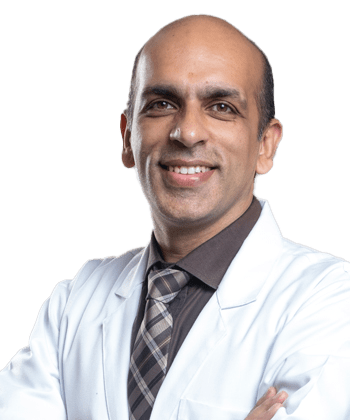
The unit is led by Dr Anupam Sachdeva, Director, PHO Unit. He is a B C Roy awardee and Silver Jubilee award recipient, and one of the doyens and pioneers of this specialty. He is credited with the formation of this unit from its inception and has also been instrumental in initiating various PHO training fellowships in the country.
Dr Manas Kalra serves as Senior Consultant in the unit. He was the Honorary Secretary of the PHO Chapter of IAP (2024–2025) and is known as a dynamic and compassionate clinician, actively involved in clinical care and leading multiple research initiatives in childhood blood and cancer disorders.
1. What age group does the Paediatric Haematology Oncology Unit treat?
The unit provides specialized care for children from infancy up to 18 years of age who are diagnosed with blood disorders, cancers, and immune-related diseases.
2. What types of diseases are treated in this unit?
The unit treats a wide range of conditions including leukaemia, lymphoma, thalassemia, aplastic anaemia, haemophilia, and various solid tumours such as brain tumours, Wilms tumour, neuroblastoma, and bone tumours.
3. What makes the unit at Sir Ganga Ram Hospital unique?
It is a comprehensive centre offering advanced treatments like chemotherapy, immunotherapy, cellular therapy, and bone marrow transplantation, along with a multidisciplinary team and child-friendly infrastructure.
4. What treatment options are available for children with cancer?
Treatment options include chemotherapy, immunotherapy, cellular therapy, and bone marrow transplantation. The treatment plan is customized based on the child’s condition and medical needs.
5. What is a Bone Marrow Transplant (BMT), and when is it required?
Bone Marrow Transplant is a procedure where damaged bone marrow is replaced with healthy stem cells. It is commonly used in conditions like leukemia, lymphoma, thalassemia, and aplastic anaemia.
6. What types of Bone Marrow Transplants are available?
The unit offers both autologous (patient’s own cells) and allogeneic (donor cells) transplants, including sibling, related, haploidentical, and matched unrelated donor (MUD) transplants.
7. Is there financial support available for treatment?
Yes, the hospital is affiliated with Coal India Limited ,which provides financial assistance of up to ₹10 lakh for eligible patients undergoing transplants for thalassemia and aplastic anaemia.
8. What facilities are available for children during treatment?
The hospital offers a dedicated paediatric OPD, day care unit for chemotherapy and transfusions, specialized wards, a children’s play area, and support from a play therapist/teacher to reduce stress during treatment.
9. Who are the key specialists leading the unit?
The unit is led by Dr Anupam Sachdeva, with Dr Manas Kalra as Senior Consultant, supported by a team of experienced specialists and healthcare professionals.
10. How can I book an appointment or consult a specialist?
Appointments can be scheduled through the hospital’s OPD services. It is recommended to carry all previous medical records for better evaluation and treatment planning.
For more queries and information, please call: Ms. Vandana Mishra – +91 9266725552